





Black container
“For disposal only” (or the authorised use: pet food, derived products)
This free tool gives the category (1, 2 or 3) of an animal by-product under Regulation (EC) 1069/2009, the regulation entry, the container colour and the label wording. Type what you call the material —“butcher bones”, “slurry”, “mussels”, “expired food”— and you see where it can go. It includes the official text of articles 8, 9 and 10, and what is not an animal by-product.
Black container · “For disposal only” (or the authorised use: pet food, derived products)
art. 8(a)(i) entire bodies and all body parts, including hides and skins, of the following animals: animals suspected of being infected by a TSE in accordance with Regulation (EC) No 999/2001 or in which the presence of a TSE has been officially confirmed art. 8(a)(ii) entire bodies and all body parts, including hides and skins, of the following animals: animals killed in the context of TSE eradication measures art. 8(a)(iii) entire bodies and all body parts, including hides and skins, of the following animals: animals other than farmed and wild animals, including in particular pet animals, zoo animals and circus animals art. 8(a)(iv) entire bodies and all body parts, including hides and skins, of the following animals: animals used in a procedure or procedures defined in Article 3 of Directive 2010/63/EU of the European Parliament and of the Council of 22 September 2010 on the protection of animals used for scientific purposes, in cases where the competent authority decides that such animals or any of their body parts have the potential to pose serious health risks to humans or to other animals, as a result of that procedure or those procedures without prejudice to Article 3(2) of Regulation (EC) No 1831/2003 art. 8(a)(v) entire bodies and all body parts, including hides and skins, of the following animals: wild animals, when suspected of being infected with diseases communicable to humans or animals art. 8(b)(i) the following materials: specified risk material art. 8(b)(ii) the following materials: entire bodies or parts of dead animals containing specified risk material at the time of disposal art. 8(c) animal by-products derived from animals which have been submitted to illegal treatment as defined in Article 1(2)(d) of Directive 96/22/EC or Article 2(b) of Directive 96/23/EC art. 8(d) animal by-products containing residues of other substances and environmental contaminants listed in Group B(3) of Annex I to Directive 96/23/EC, if such residues exceed the permitted level laid down by Community legislation or, in the absence thereof, by national legislation art. 8(e) animal by-products collected during the treatment of waste water required by implementing rules adopted under point (c) of the first paragraph of Article 27: (i) from establishments or plants processing Category 1 material; or (ii) from other establishments or plants where specified risk material is being removed art. 8(f) catering waste from means of transport operating internationally art. 8(g) mixtures of Category 1 material with either Category 2 material or Category 3 material or both Yellow (except manure and digestive tract content) container · “Not for animal consumption”; for manure and digestive tract content, “manure”
art. 9(a) manure, non-mineralised guano and digestive tract content art. 9(b) animal by-products collected during the treatment of waste water required by implementing rules adopted under point (c) of the first paragraph of Article 27: (i) from establishments or plants processing Category 2 material; or (ii) from slaughterhouses other than those covered by Article 8(e) art. 9(c) animal by-products containing residues of authorised substances or contaminants exceeding the permitted levels as referred to in Article 15(3) of Directive 96/23/EC art. 9(d) products of animal origin which have been declared unfit for human consumption due to the presence of foreign bodies in those products art. 9(e)(i) products of animal origin, other than Category 1 material, that are: imported or introduced from a third country and fail to comply with Community veterinary legislation for their import or introduction into the Community except where Community legislation allows their import or introduction subject to specific restrictions or their return to the third country art. 9(e)(ii) products of animal origin, other than Category 1 material, that are: dispatched to another Member State and fail to comply with requirements laid down or authorised by Community legislation except where they are returned with the authorisation of the competent authority of the Member State of origin art. 9(f)(i) animals and parts of animals, other than those referred to in Article 8 or Article 10,: that died other than by being slaughtered or killed for human consumption, including animals killed for disease control purposes art. 9(f)(ii) animals and parts of animals, other than those referred to in Article 8 or Article 10,: foetuses art. 9(f)(iii) animals and parts of animals, other than those referred to in Article 8 or Article 10,: oocytes, embryos and semen which are not destined for breeding purposes art. 9(f)(iv) animals and parts of animals, other than those referred to in Article 8 or Article 10,: dead-in-shell poultry art. 9(g) mixtures of Category 2 material with Category 3 material art. 9(h) animal by-products other than Category 1 material or Category 3 material Green with a high blue content container · “Not for human consumption”
art. 10(a) carcases and parts of animals slaughtered or, in the case of game, bodies or parts of animals killed, and which are fit for human consumption in accordance with Community legislation, but are not intended for human consumption for commercial reasons art. 10(b)(i) carcases and the following parts originating either from animals that have been slaughtered in a slaughterhouse and were considered fit for slaughter for human consumption following an ante-mortem inspection or bodies and the following parts of animals from game killed for human consumption in accordance with Community legislation: carcases or bodies and parts of animals which are rejected as unfit for human consumption in accordance with Community legislation, but which did not show any signs of disease communicable to humans or animals art. 10(b)(ii) carcases and the following parts originating either from animals that have been slaughtered in a slaughterhouse and were considered fit for slaughter for human consumption following an ante-mortem inspection or bodies and the following parts of animals from game killed for human consumption in accordance with Community legislation: heads of poultry art. 10(b)(iii) carcases and the following parts originating either from animals that have been slaughtered in a slaughterhouse and were considered fit for slaughter for human consumption following an ante-mortem inspection or bodies and the following parts of animals from game killed for human consumption in accordance with Community legislation: hides and skins, including trimmings and splits, horns and feet, including phalanges and carpus and metacarpus bones, tarsus and metatarsus bones, of: — animals, other than ruminants requiring TSE testing, and — ruminants which have been tested with a negative result in accordance with Article 6(1) of Regulation (EC) No 999/2001 art. 10(b)(iv) carcases and the following parts originating either from animals that have been slaughtered in a slaughterhouse and were considered fit for slaughter for human consumption following an ante-mortem inspection or bodies and the following parts of animals from game killed for human consumption in accordance with Community legislation: pig bristles art. 10(b)(v) carcases and the following parts originating either from animals that have been slaughtered in a slaughterhouse and were considered fit for slaughter for human consumption following an ante-mortem inspection or bodies and the following parts of animals from game killed for human consumption in accordance with Community legislation: feathers art. 10(c) animal by-products from poultry and lagomorphs slaughtered on the farm as referred to in Article 1(3)(d) of Regulation (EC) No 853/2004, which did not show any signs of disease communicable to humans or animals art. 10(d) blood of animals which did not show any signs of disease communicable through blood to humans or animals obtained from the following animals that have been slaughtered in a slaughterhouse after having been considered fit for slaughter for human consumption following an ante-mortem inspection in accordance with Community legislation: (i) animals other than ruminants requiring TSE testing; and (ii) ruminants which have been tested with a negative result in accordance with Article 6(1) of Regulation (EC) No 999/2001 art. 10(e) animal by-products arising from the production of products intended for human consumption, including degreased bones, greaves and centrifuge or separator sludge from milk processing art. 10(f) products of animal origin, or foodstuffs containing products of animal origin, which are no longer intended for human consumption for commercial reasons or due to problems of manufacturing or packaging defects or other defects from which no risk to public or animal health arises art. 10(g) petfood and feedingstuffs of animal origin, or feedingstuffs containing animal by-products or derived products, which are no longer intended for feeding for commercial reasons or due to problems of manufacturing or packaging defects or other defects from which no risk to public or animal health arises art. 10(h) blood, placenta, wool, feathers, hair, horns, hoof cuts and raw milk originating from live animals that did not show any signs of disease communicable through that product to humans or animals art. 10(i) aquatic animals, and parts of such animals, except sea mammals, which did not show any signs of diseases communicable to humans or animals art. 10(j) animal by-products from aquatic animals originating from establishments or plants manufacturing products for human consumption art. 10(k)(i) the following material originating from animals which did not show any signs of disease communicable through that material to humans or animals: shells from shellfish with soft tissue or flesh art. 10(k)(ii) the following material originating from animals which did not show any signs of disease communicable through that material to humans or animals: the following originating from terrestrial animals: — hatchery by-products, — eggs, — egg by-products, including egg shells art. 10(k)(iii) the following material originating from animals which did not show any signs of disease communicable through that material to humans or animals: day-old chicks killed for commercial reasons art. 10(l) aquatic and terrestrial invertebrates other than species pathogenic to humans or animals art. 10(m) animals and parts thereof of the zoological orders Rodentia and Lagomorpha, except for Category 1 material as referred to in Article 8(a)(iii), (iv) and (v) and Category 2 material as referred to in Article 9(a) to (g) art. 10(n) hides and skins, hooves, feathers, wool, horns, hair and fur originating from dead animals that did not show any signs of disease communicable through that product to humans or animals, other than those referred to in point (b) of this Article art. 10(o) adipose tissue from animals which did not show any signs of disease communicable through that material to humans or animals, which were slaughtered in a slaughterhouse and which were considered fit for slaughter for human consumption following an ante-mortem inspection in accordance with Community legislation art. 10(p) catering waste other than as referred to in Article 8(f) The Regulation does not apply to these by-products.
art. 2(2)(a) This Regulation shall not apply to the following animal by-products: whole bodies or parts of wild animals, other than wild game, which are not suspected of being infected or affected with a disease communicable to humans or animals, except for aquatic animals landed for commercial purposes art. 2(2)(b) This Regulation shall not apply to the following animal by-products: whole bodies or parts of wild game which are not collected after killing in accordance with good hunting practice, without prejudice to Regulation (EC) No 853/2004 art. 2(2)(c) This Regulation shall not apply to the following animal by-products: animal by-products from wild game and from wild game meat referred to in Article 1(3)(e) of Regulation (EC) No 853/2004 art. 2(2)(d) This Regulation shall not apply to the following animal by-products: oocytes, embryos and semen destined for breeding purposes art. 2(2)(e) This Regulation shall not apply to the following animal by-products: raw milk, colostrum and products derived therefrom which are obtained, kept, disposed of or used on the farm of origin art. 2(2)(f) This Regulation shall not apply to the following animal by-products: shells from shellfish with the soft tissue and flesh removed art. 2(2)(g) This Regulation shall not apply to the following animal by-products: catering waste, except if it: (i) originates from means of transport operating internationally; (ii) is destined for feeding purposes; (iii) is destined for processing by pressure sterilisation or for processing by methods referred to in point (b) of the first subparagraph of Article 15(1) or for transformation into biogas or for composting art. 2(2)(h) This Regulation shall not apply to the following animal by-products: without prejudice to Community environmental legislation, material from vessels complying with Regulations (EC) No 852/2004 and (EC) No 853/2004, which has arisen in the course of their fishing operations and is disposed of at sea, except material derived from on-board evisceration of fish showing signs of disease, including parasites, that are communicable to humans art. 2(2)(i) This Regulation shall not apply to the following animal by-products: raw pet food originating from retail shops, where the cutting and storage are performed solely for the purpose of supplying the consumer directly on the spot art. 2(2)(j) This Regulation shall not apply to the following animal by-products: raw pet food derived from animals which are slaughtered on the farm of origin for private domestic consumption art. 2(2)(k) This Regulation shall not apply to the following animal by-products: excreta and urine other than manure and non-mineralised guano
“For disposal only” (or the authorised use: pet food, derived products)
“Not for animal consumption”; for manure and digestive tract content, “manure”
“Not for human consumption”
If the origin is not in the Spanish national register of SANDACH movements —a butcher’s, a restaurant, a bakery workshop, a farm— Cofactu issues the commercial document of annex II of Royal Decree 1528/2012 with the Expedición add-on or on the Logistics plans: category, article 10 entry, transport and destination, with the three copies as PDF and the shipment register.
SANDACH commercial document: who issues it and howThe basics before you load the container.
Talk to us →SANDACH (subproductos animales no destinados a consumo humano) are animal by-products not intended for human consumption: butchery and slaughterhouse offcuts, blood, feathers, hides, unsold fish, dead animals, manure, expired food containing animal products and similar. They are governed by Regulation (EC) 1069/2009 and, in Spain, by Royal Decree 1528/2012.
Risk. Category 1 is the highest-risk material (TSE suspects, specified risk material, pet and zoo animals) and can almost only be disposed of. Category 2 includes manure, animals that died on the farm and anything that is neither 1 nor 3. Category 3 is material from healthy animals not intended for human consumption, and the only one that can go into feed and pet food.
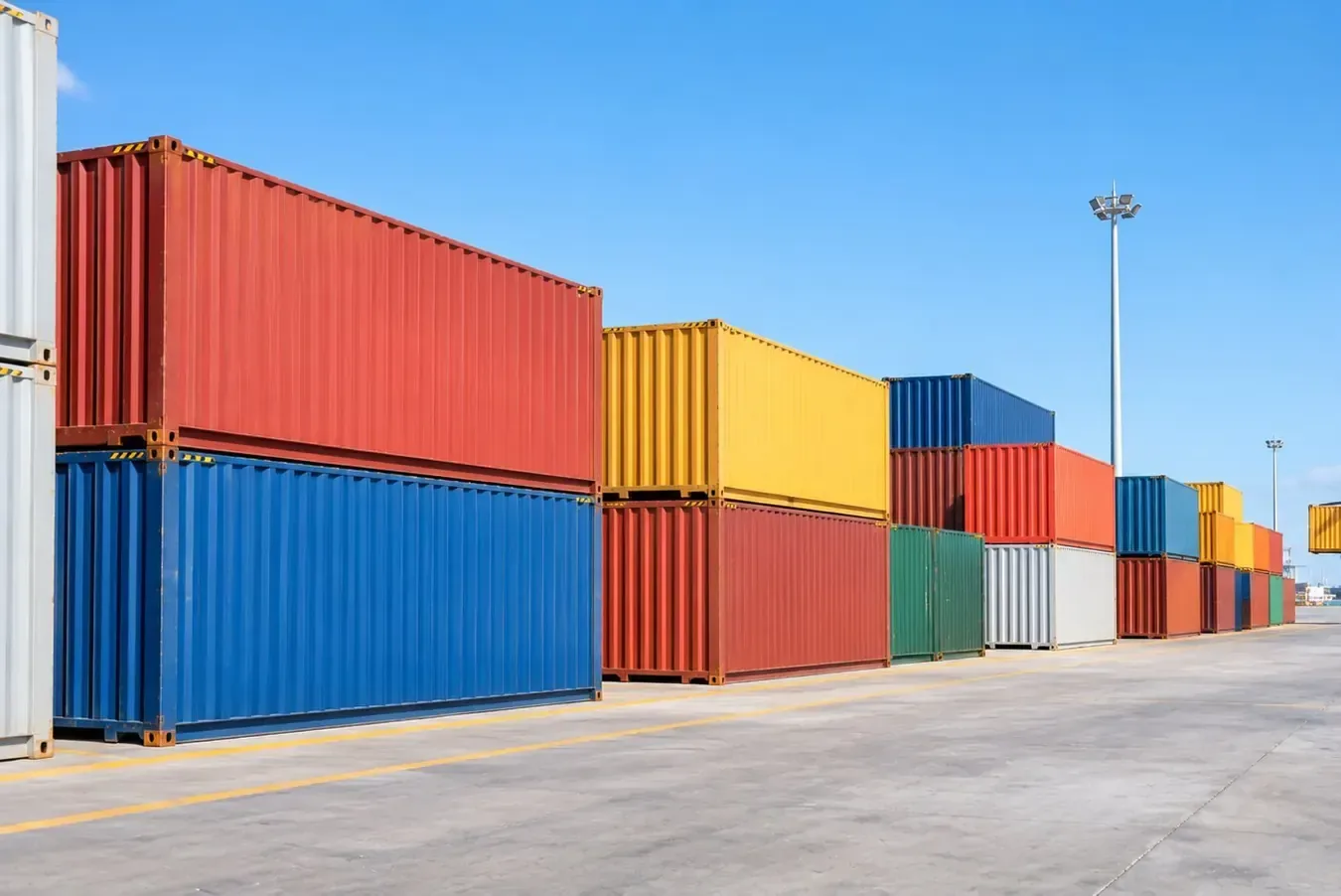
Black for Category 1, yellow for Category 2 (except manure and digestive tract content) and green with a high blue content for Category 3 (Regulation 142/2011, annex VIII, chapter II). The label carries the category and its wording: “for disposal only”, “not for animal consumption” or “not for human consumption”.
The letter (and, where there is one, the sub-point) of article 10 of Regulation 1069/2009 under which a Category 3 material falls: 10 a), 10 b) iii), 10 p)… The commercial document asks for it when the material goes to animal feed, and points n), o) and p) cannot go into feed for farmed animals.
The establishment of origin: it must categorise the material correctly and tell whoever issues the commercial document (Royal Decree 1528/2012, annex II). This finder guides you with the official text; when in doubt, ask the authority of your region (comunidad autónoma).
We use our own cookies, Google's (which ads bring sign-ups) and PostHog's (how the site is used). If you decline, the site works exactly the same. Learn more .
Navegar en tu idioma siempre es mejor. Cámbiate para disfrutar de una experiencia 100% adaptada.