




OriginalConsignee
Travels with the load to its destination. The recipient notes the date and quantity, signs and keeps it.
SignsC) Recipient
Bones, fat, blood or fish that are not sold travel with a commercial document (SANDACH, animal by-products not intended for human consumption). If the origin is not in the National Register of SANDACH movements (a butcher's, a restaurant, a workshop, a farm), you issue it yourself: Cofactu produces it with the content of annex II of Royal Decree 1528/2012, with the Expedición add-on (€49/month) or on the Logistics plans.
Travels with the load to its destination. The recipient notes the date and quantity, signs and keeps it.
SignsC) Recipient
Stays at the origin with the signature of the person dispatching it: category, quantity and collection date.
SignsA) Consignor

Kept by whoever carries the load, with their registration number and the plate number.
SignsB) Carrier
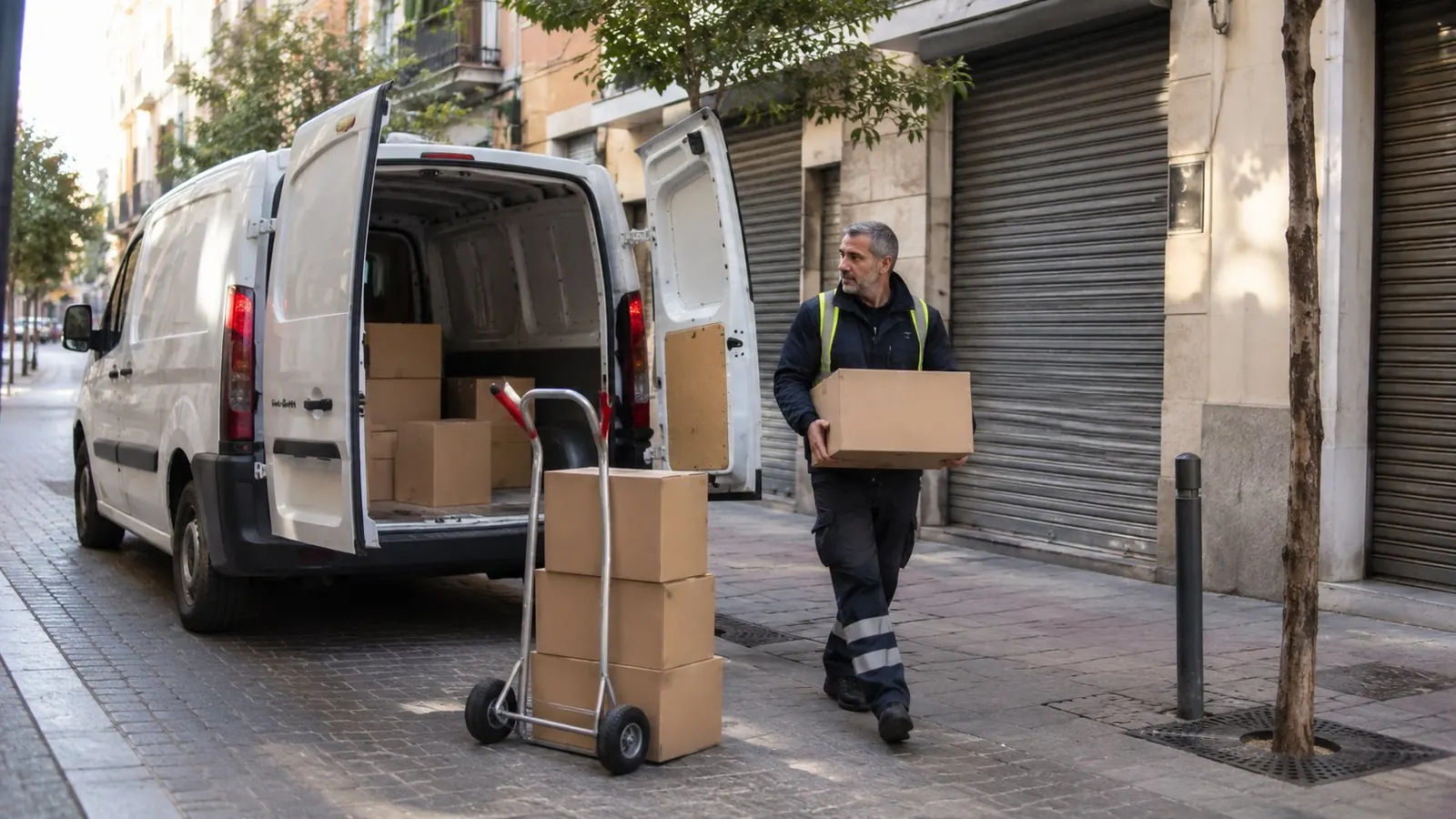

You issue it yourself, with the content of annex II of Royal Decree 1528/2012: Cofactu produces it with Expedición, with its number and the three copies.
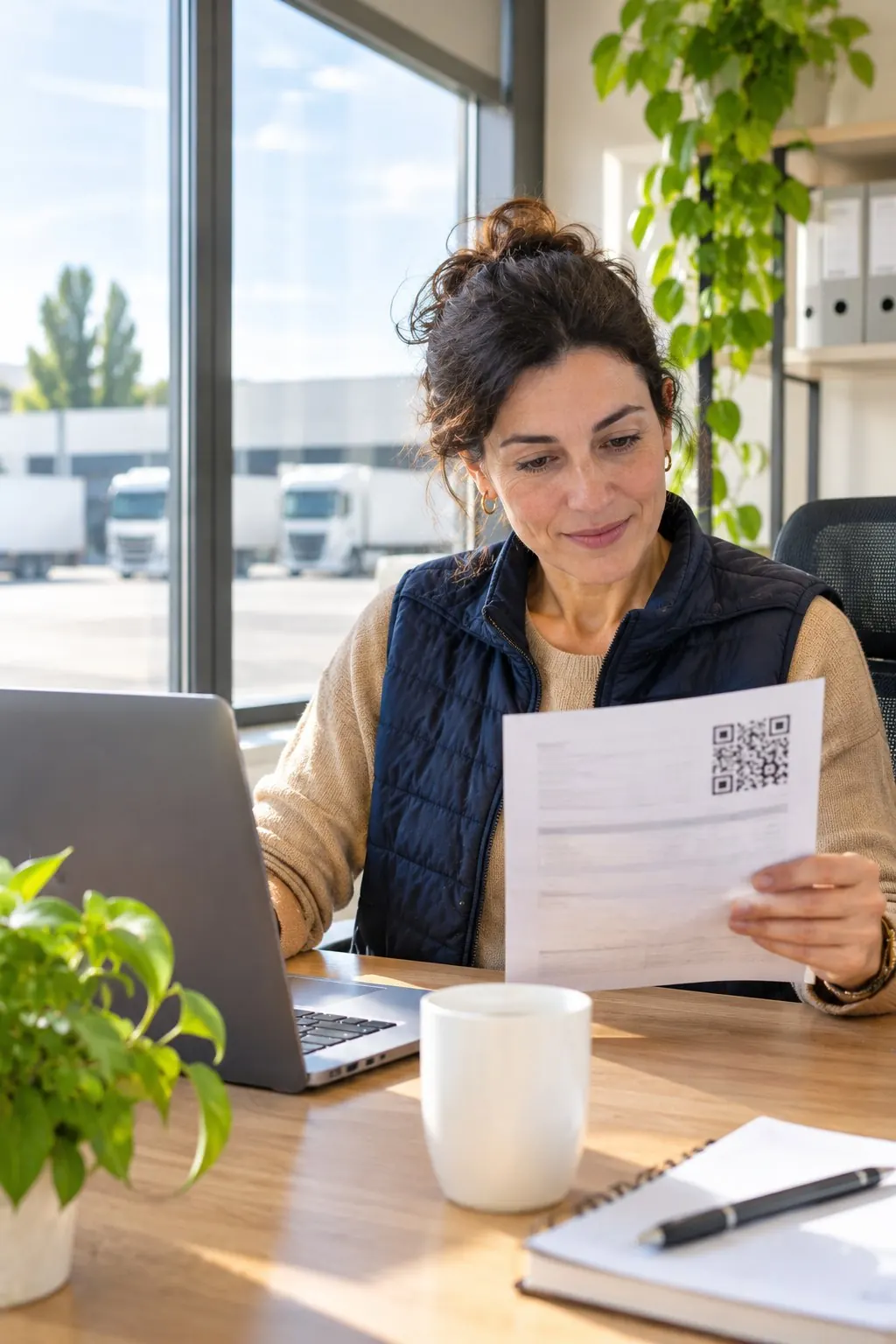
When the origin is a slaughterhouse, a cutting plant or a processing plant, the document comes out of the National Register application with a 12-digit number. From the collection date, the destination has 10 days to enter the date of receipt and the quantity received (30 if the origin is in the Canary Islands; Royal Decree 476/2014, art. 4.4). Enter the number and the collection date:
Cofactu does not enter anything in the Register: you note the number there and your role (origin, carrier or destination), Cofactu tracks the deadline, warns you before it expires and stores the PDF copy, with Expedición.
Cofactu suggests you as the carrier with your details and the registration from your last document, looks up the material's category and heading, warns about manure, about headings that cannot go to animal feed and about the 7 °C limit, numbers it DCS-year-counter and generates the PDF with the three copies. When the recipient notes the arrival, you record it and the completed document is produced; the year's shipment register downloads as CSV.
Cofactu Logistics · Waste identification document · Consignment note (carta de porte)
What people ask before the first collection.
The document that accompanies animal by-products and derived products not intended for human consumption (SANDACH) during transport (Regulation (EC) 1069/2009, art. 21). For movements within Spain, its minimum content is set out in annex II of Royal Decree 1528/2012, as reworded by Royal Decree 70/2025.
If the origin is registered in the SANDACH register or is an authorised meat establishment (Regulation (EC) 853/2004), the document is generated by the Ministry's national SANDACH movements register application, with its own number (Royal Decree 476/2014). In all other cases (shops, restaurants, workshops, farms) the origin issues it, or whoever dispatches it for them, with the data they provide; a number that identifies it in their shipment register is enough.
It is 12 digits assigned by the Ministry's national SANDACH movements register application (Royal Decree 476/2014, art. 5.2): two for the autonomous community, two for the INE province code, two for the year and six for a sequential number. For example, 08-45-26-000123 is document 123 of 2026 from an origin in Toledo.
Ten days from the collection date shown on the document to enter the date of receipt and the quantity received in the application, and sign its acceptance; thirty if the origin is in the Canary Islands (Royal Decree 476/2014, art. 4.4). The rule does not say whether these are working days: counting calendar days is the prudent choice. If the destination does not agree, it does not cancel or change the document: it records a discrepancy or rejection report (art. 6.3).
The European-model commercial document goes with them (Regulation (EU) 142/2011, annex VIII, chapter III, point 6), on paper or in TRACES; if it comes out of TRACES you do not have to keep the copy (Implementing Regulation 2025/1379). Category 1 and 2 materials, their fats and meat-and-bone meal, and fertilisers made from them also need prior authorisation from the destination country (the operator requests it with the annex XVI model and it is resolved in 20 days) and the origin authority has to report the consignment in TRACES. Processed animal protein of category 3 does not need authorisation, but does need the TRACES notification (Regulation (EC) 1069/2009, art. 48).
Origin (name, registration number, NIF, address and activity), load (collection date, batch, nature, category, species, weight or volume and, if it goes to animal feed, the article 10 heading), transport (registered carrier and plate number), destination with its SANDACH code, the data the recipient fills in and the three declarations of conformity.
Three: the original travels with the load and is kept by the consignee; one copy is for the producer and another for the carrier. Each operator keeps the documents it signs for at least two years (Royal Decree 1528/2012, annex II; Regulation (EU) 142/2011, annex VIII).
Between farms and farmers in the same autonomous community it can travel without a commercial document, unless the community says otherwise (Royal Decree 1528/2012, art. 18.2.e). Between communities, it can travel without it if it carries a health certificate from the origin authority (art. 18.2.f).
The SANDACH commercial document is part of the Expedición add-on (€49/month, on top of the Free or SME plan) and is included in the Logistics plans. The DeCA, the carta de porte (consignment note) and the waste identification document, on the other hand, remain free and unlimited on every plan. It includes the PDF with the three copies, receipt at destination and the shipment register as CSV. If the document comes from the National Register, you note its number and Cofactu tracks the receipt deadline, warns you before it expires and stores the copy.
We use our own cookies, Google's (which ads bring sign-ups) and PostHog's (how the site is used). If you decline, the site works exactly the same. Learn more .
Navegar en tu idioma siempre es mejor. Cámbiate para disfrutar de una experiencia 100% adaptada.